‘THE SILENCE SINGS’
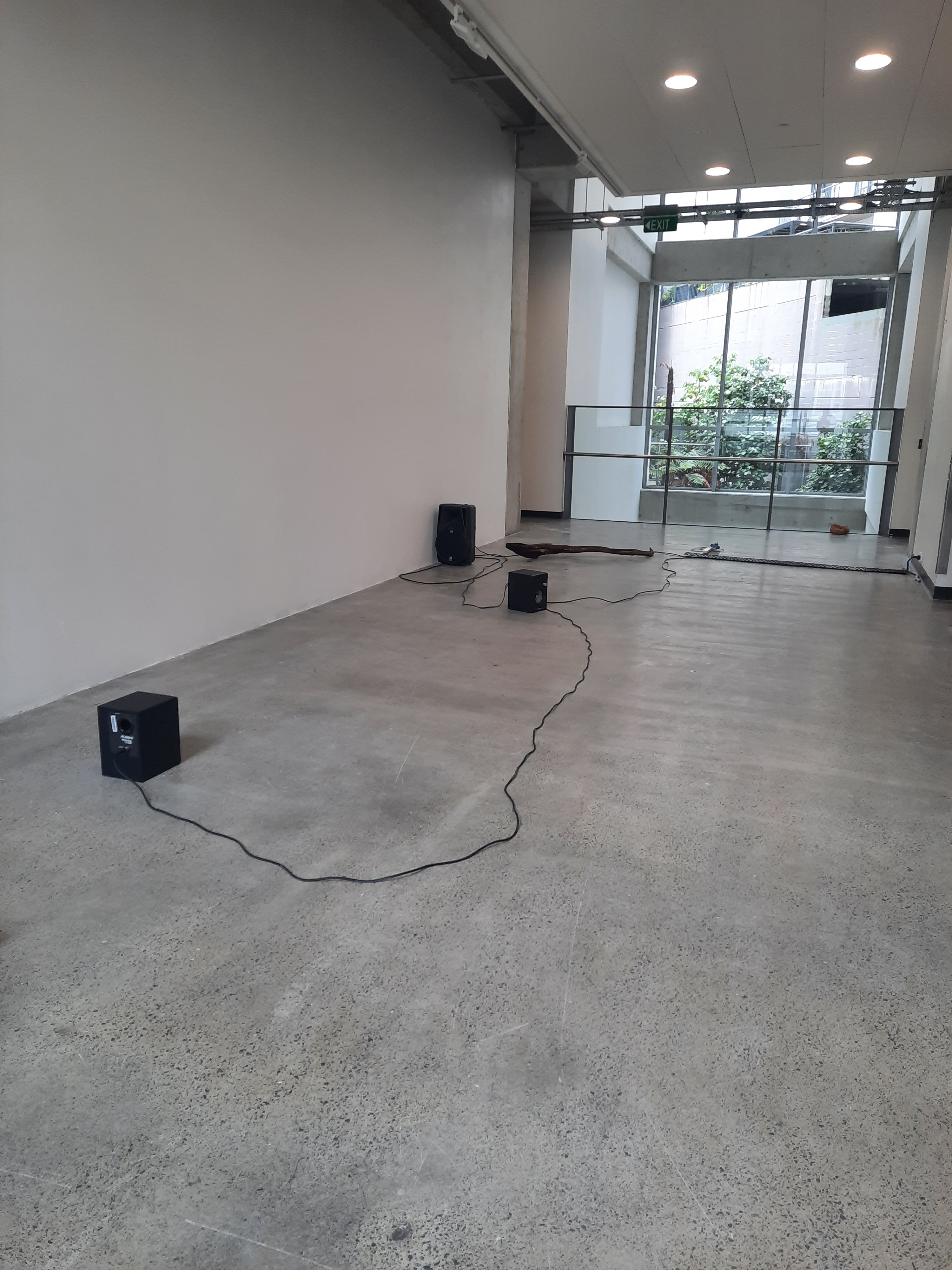
I am interested in sound to assist in sculptural space development. How I can engage the senses of the audience. more than just a present engagement but engaging their sensual memory.
Over the break I spent time considering the ways I could capture sculptural sounds. – my definition of sculptural sound concerns the place the sound originates. Throughout my works so far there has been a theme of drawing on experiences of objects and the environment of the shores of New Zealand. This educated the direction of water and the different sounds that can be found from the same bodies of water.
In response to my interest in the acts and concepts around silence in present time. I choose to spend ten days fasting additional sounds- in a search for silence. – no films of any kind, social media, or music not live – this was especially difficult as I regularly listen to an average o four hours a day. I don’t sleep with out music. throughout the duration I spent some time out in nature immersing myself in the sound that exist without man intervention. I found the silence in my life helped me to realize just how loud the world is. I became fascinated by the volume of the waterfall and the array of sounds in the bush that educate my idea of silence. – I don’t think silence is really silent . Rather, silence is the absence of a sound and the emersion of another.
‘Silence is the absence of a sound and the emersion of another.’
On a trip to Orere near Kawa Kawa bay that looked out onto Ponui Island I recorded a selection of water sculptural sounds. It is import to me that I mention the site and its relation to moments of familiarity as the sounds are directed my my memory and the collective memory of those I am in community with.
The water travel recordings and this idea of sound work accompanied by sculptural objects that I have captures a memory – I had thought of using a sculptural method that I had been using outside of this project though this thought seemed to be completely bypassed in a critique with my peers – I took this as a sign to invest my time into the sound works

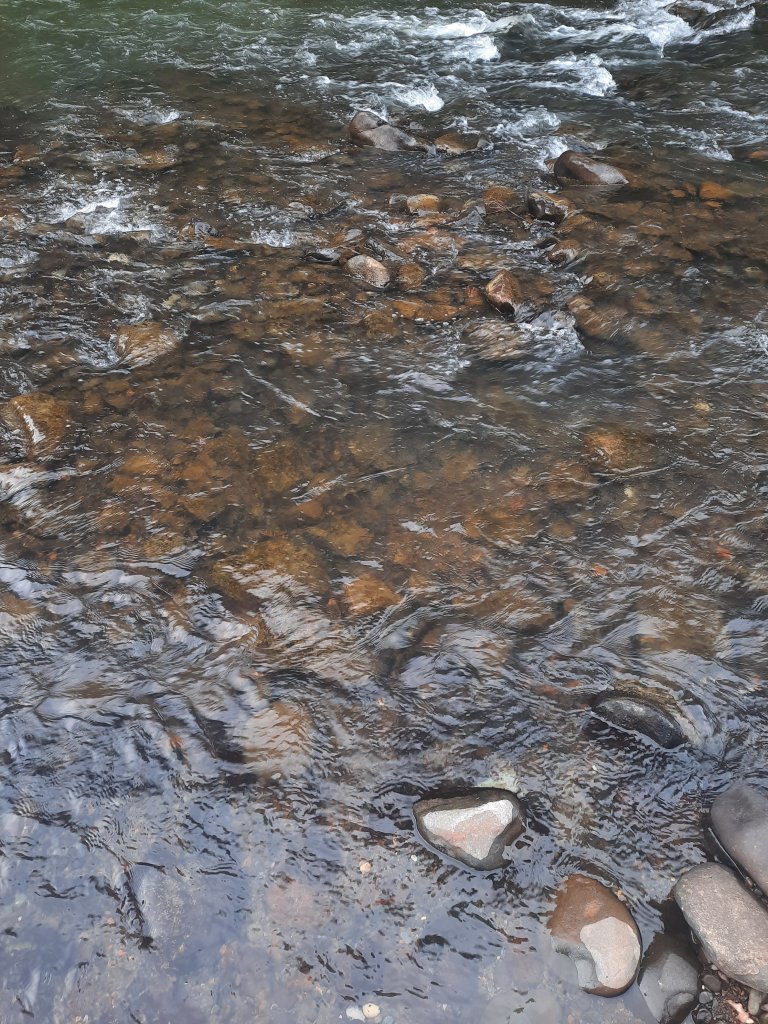
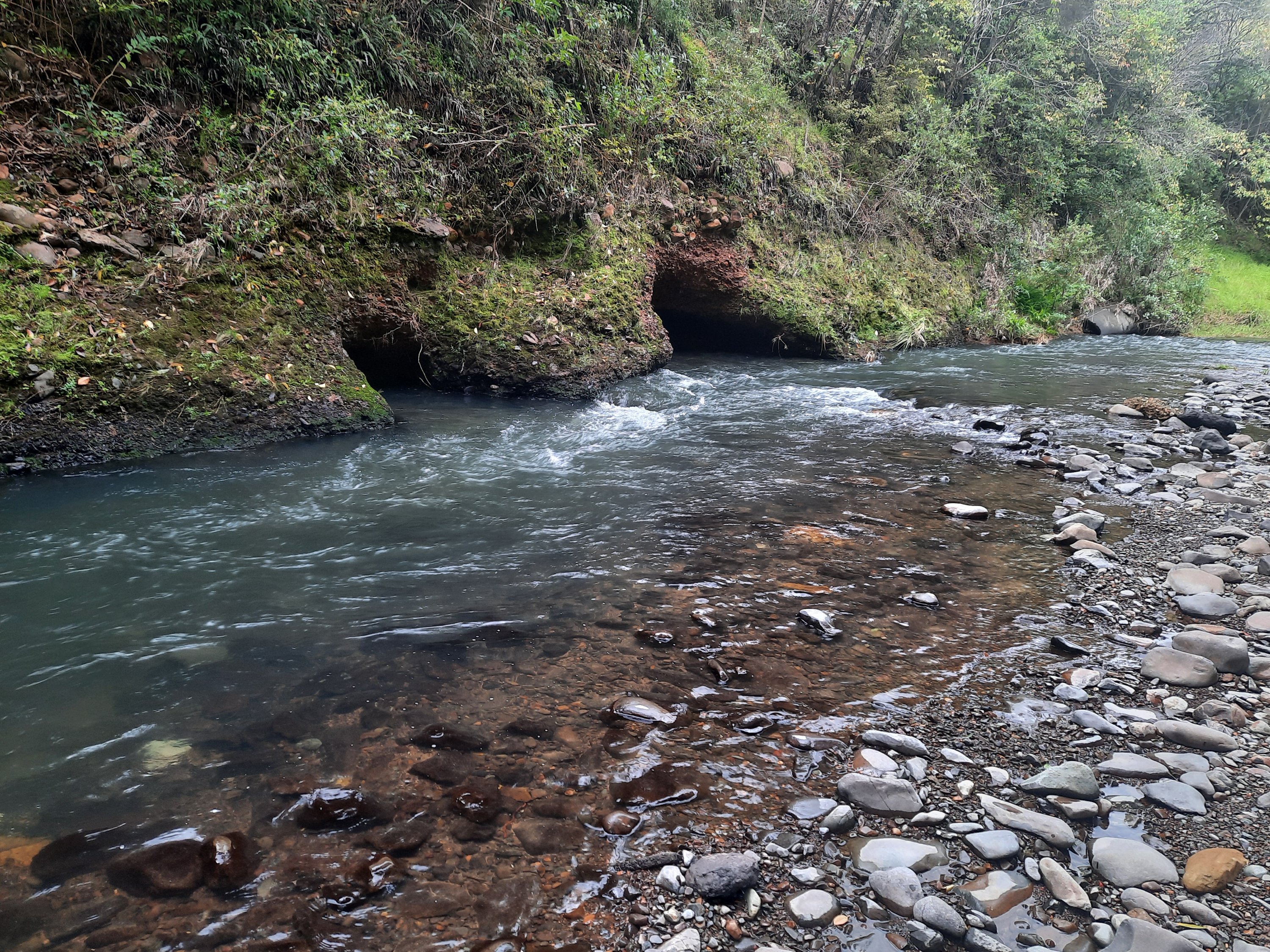
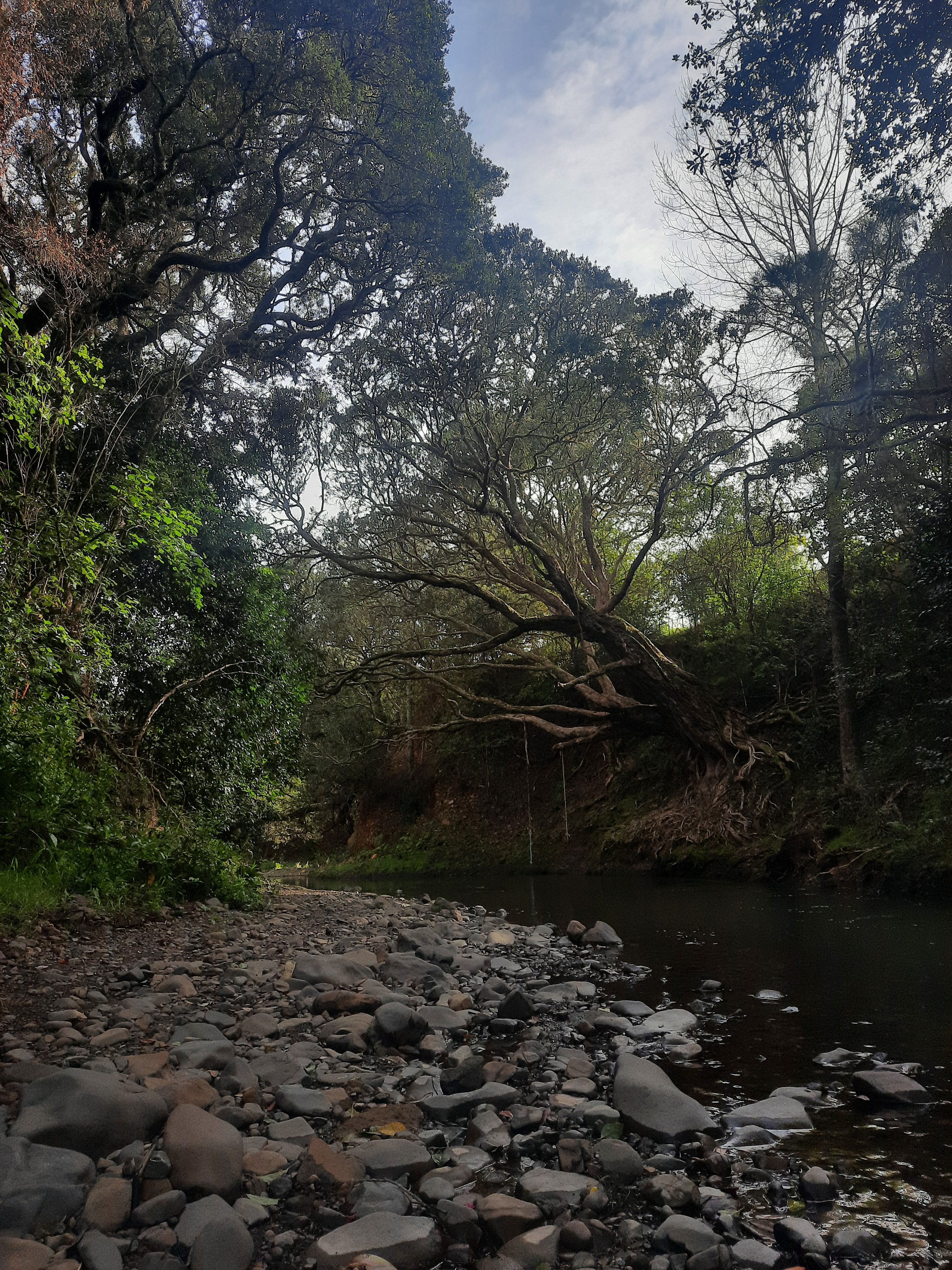
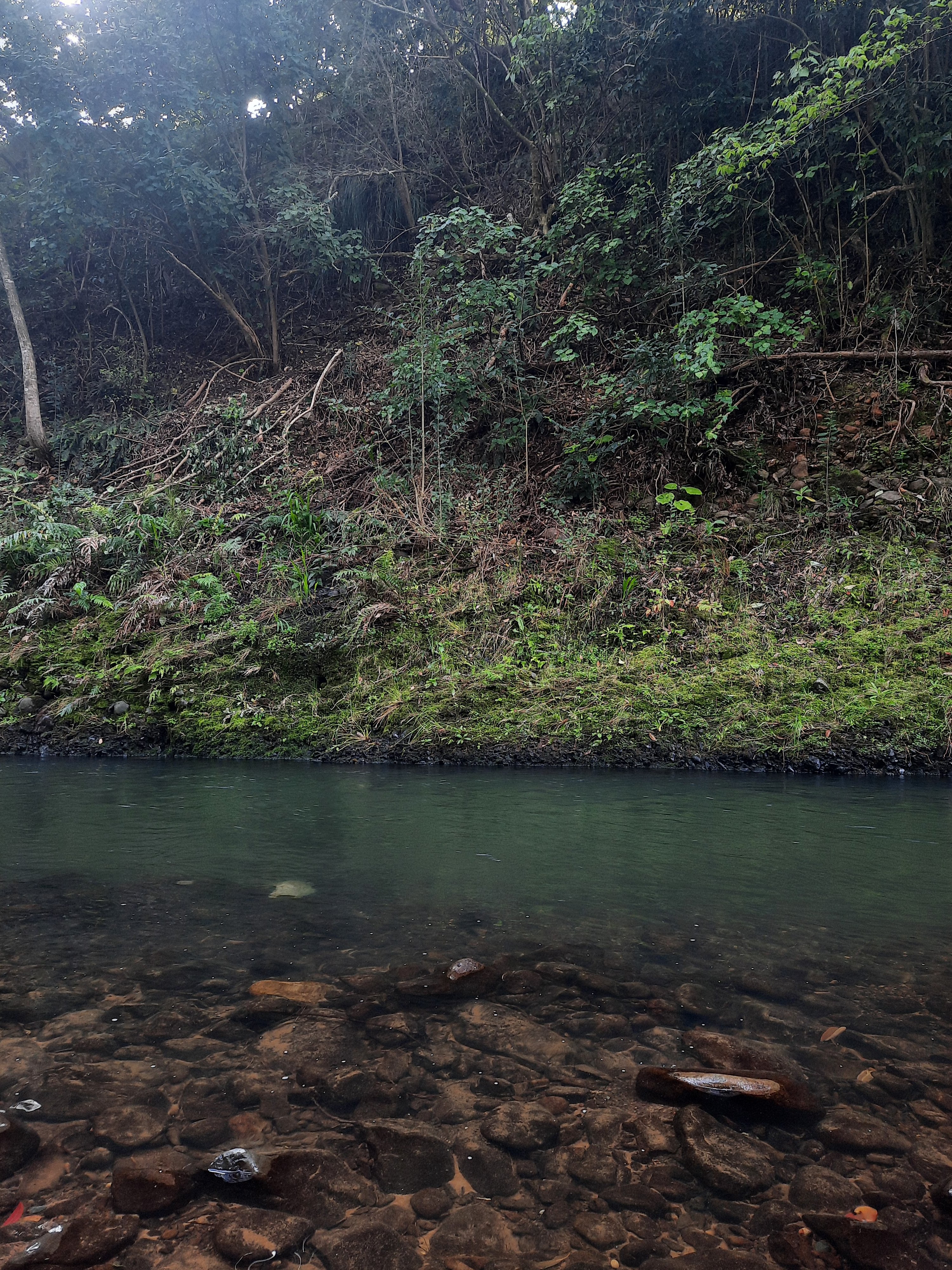

I had intended to create sculptural objects in response to the experience in the places I recorded sound from. This aspect of the process seemed to fade away as the sound work took greater interest.
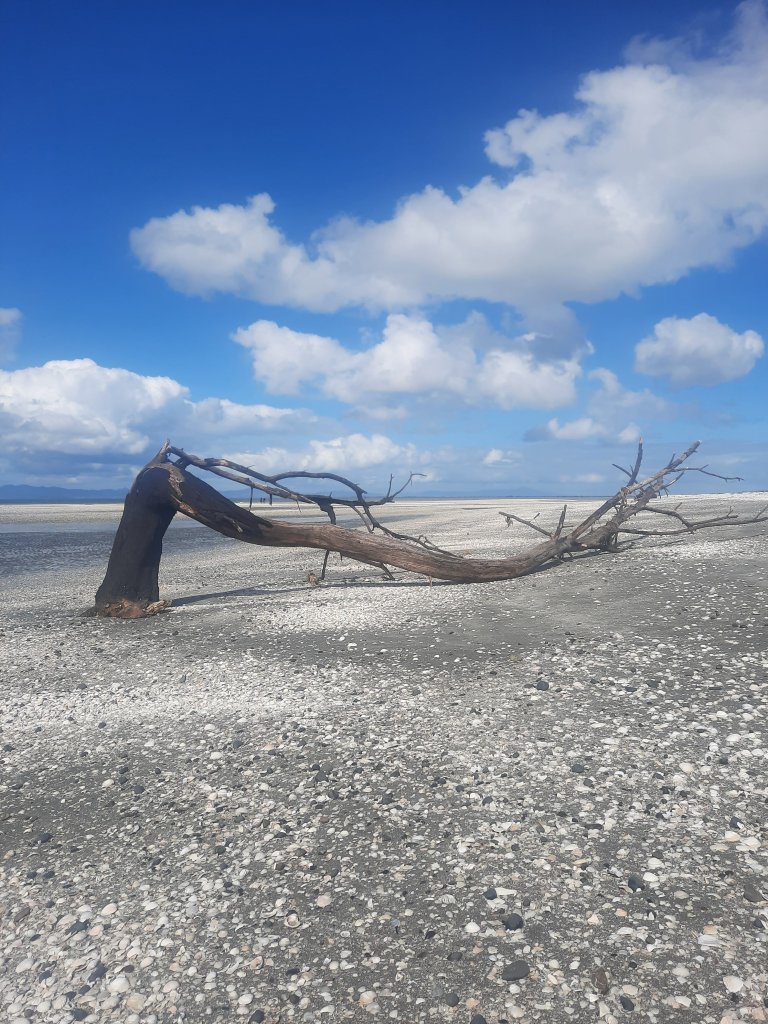
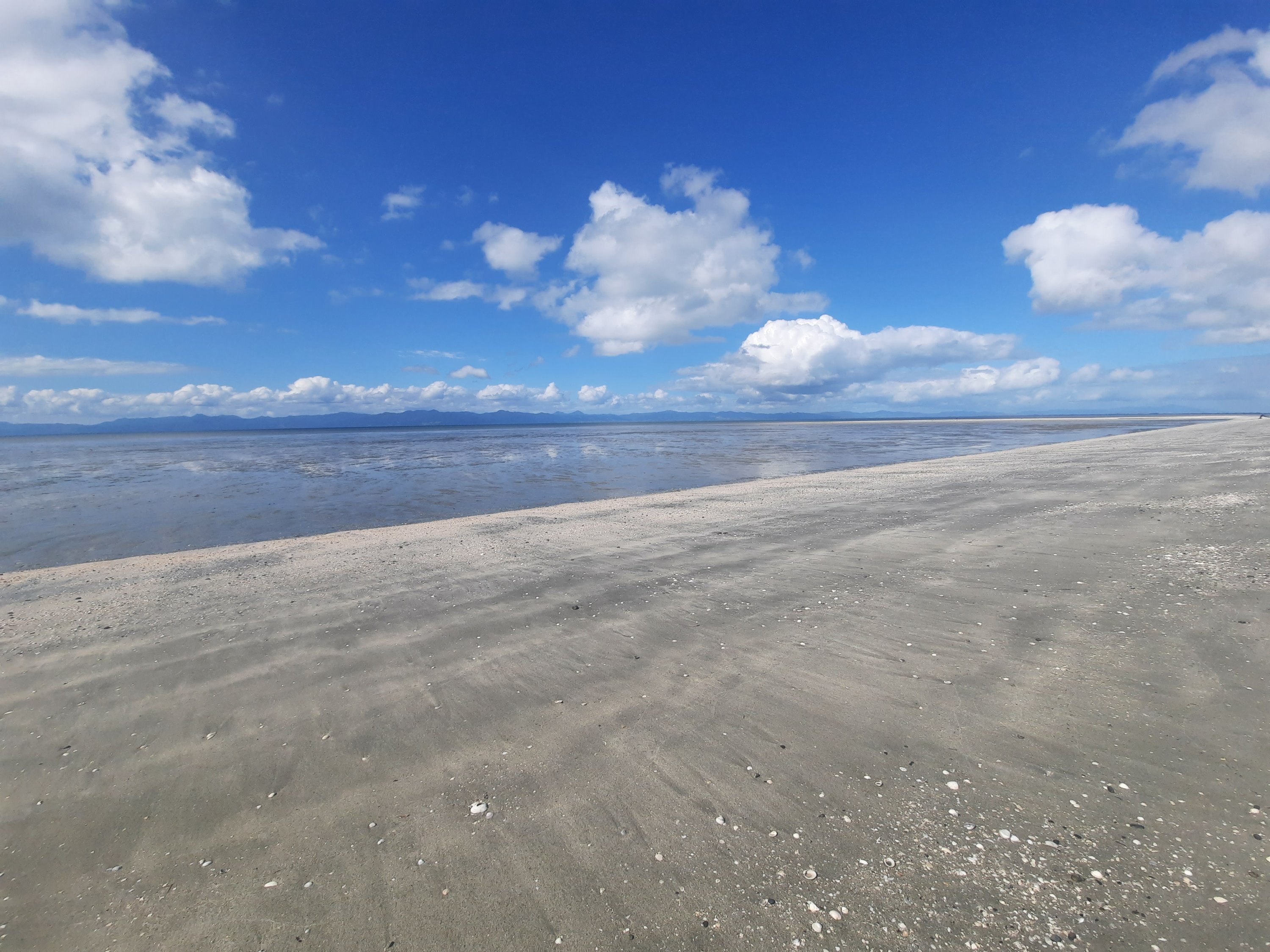
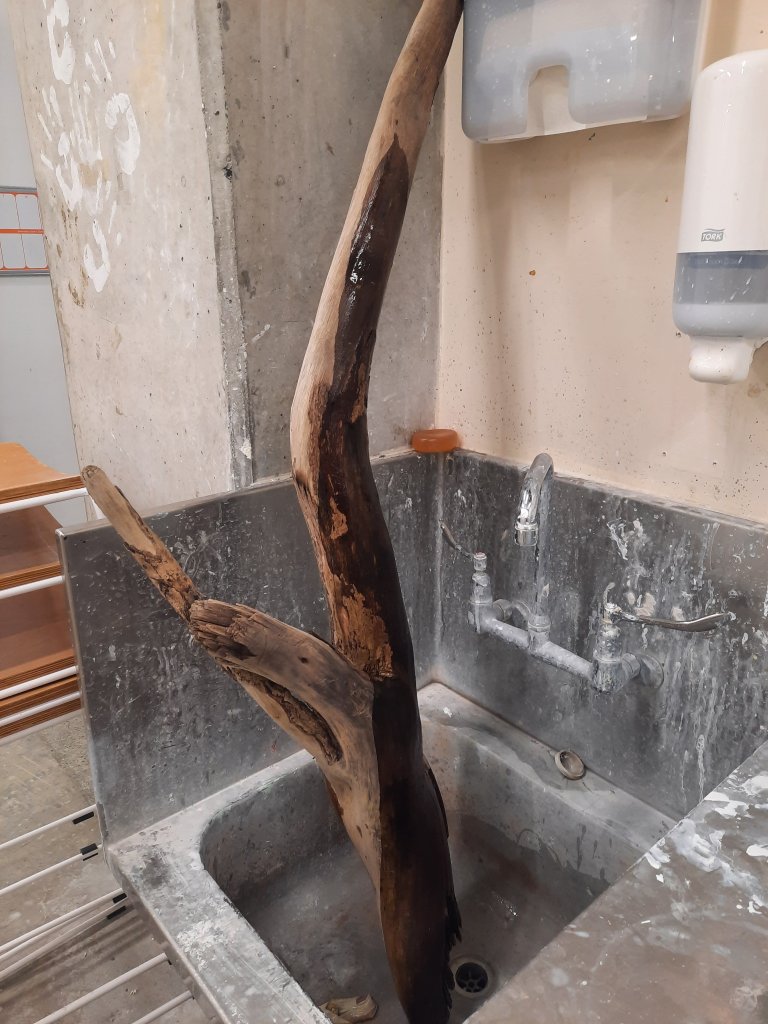
Saying this I must extend an entry for an object. At the end of my trip we walked the beach in Miranda that looked out to the Coromandel. The tide had gone out and this bright white beach acted almost as a desert. Similar to my conceptions of a desert – (I haven’t seen a desert before) – I found only one impactful object or marker on the beach. A drift wood tree branch protruded from the white plain.
This observation relates to the concepts explored in “The Yearn to Covay Lost Time’ my previous work. How an object acts as significate entry way for an audience when attempting to convey a story from the past memory.
Water Travel
The recordings draw on the audience’s water memory. I had the class listen to my recordings without volume adjustments. I instructed them to listen carefully and try to work out where in the paths that water pass is the sound coming from. I found it encouraging as they were all able to identify the different water sounds.
After a class crit which brought me a whole other field of ideas, I was encouraged to make with items you find in the landscape on site making – mediums from the landscape. An initial material I thought of – was clay and sand. – outlier festival recommendation
I spoke of how my work is based on the audience member’s experience.
Moving Forward:

I previously have been using sound, stones, and sticks found at different locations along the east and west coasts of the North Island. When attempting to use a land material to act as a placeholder or gate way for a memory, I have not altered the state of the material just its context or environment.
Filled with a desire to get my hands dirty and ‘actually’ make a sculpture I intended to use clay to create forms that represent memory.
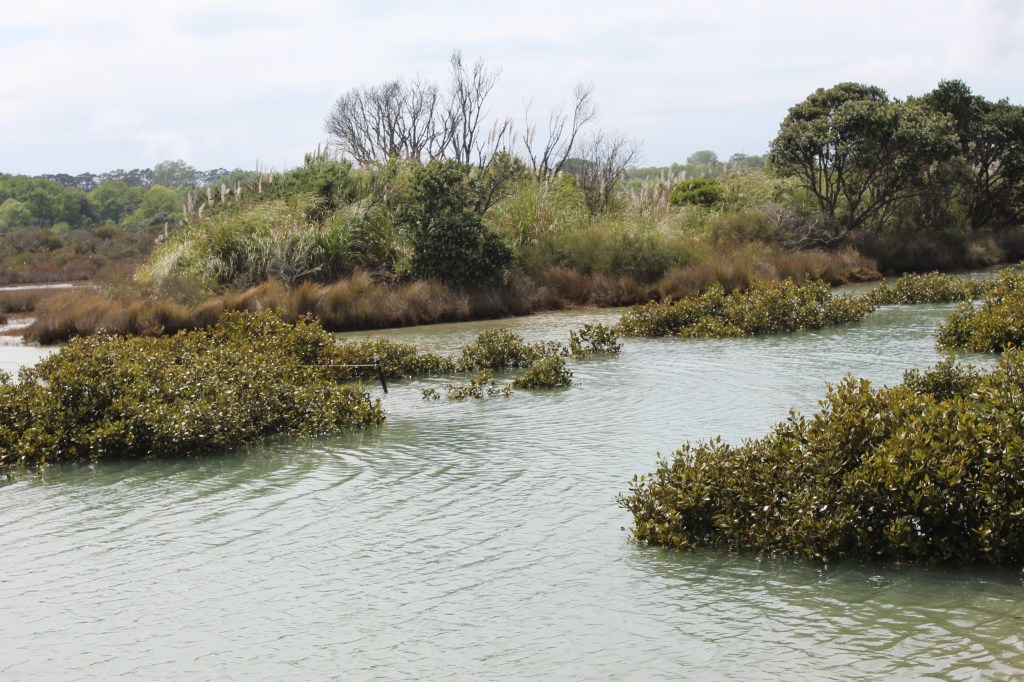
My first thought was clay was found or made from the cliffs. In another area, I was still experimenting with water recordings. I headed out to a new spot that I had been interested in out in Whitford. When I arrived, I was disappointed as the water wasn’t a sand or shelly beach but a mangrove canal far from the ocean.
I had a look at the map for areas close to me that may work better for what I had envisioned. (My envision: Bush trek with a bay at the end of the track, like the walks on the other side of the inlet specifically ‘Mangemangeroa’)
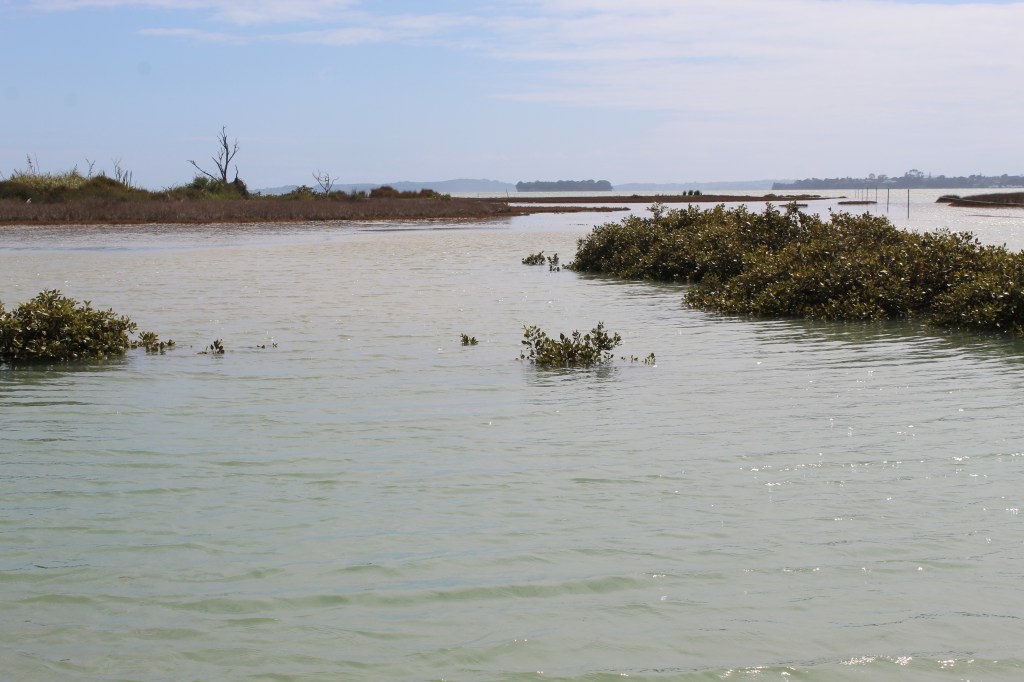
I found a spot 10 minutes from our location. On arrival the tide was low and there was no one around. It seemed like an oasis away from the city/suburbs. There were birds singing in every direction, and flocks of huge birds came flying over the wetlands many times.
The land stretched on and on out to the distant sands. From this wetland, I could see the bays that I normally go to over the water. Many old boats calmly waded in the water, adding to this interesting silent oasis I had found.
The masts reach up to the sky from the plains of water imitating the reeds that protruded from the sands and mud of the wetland.
The whole landscape seemed so flat in comparison to the hilly landscape where the cliffs lead down to the bays.
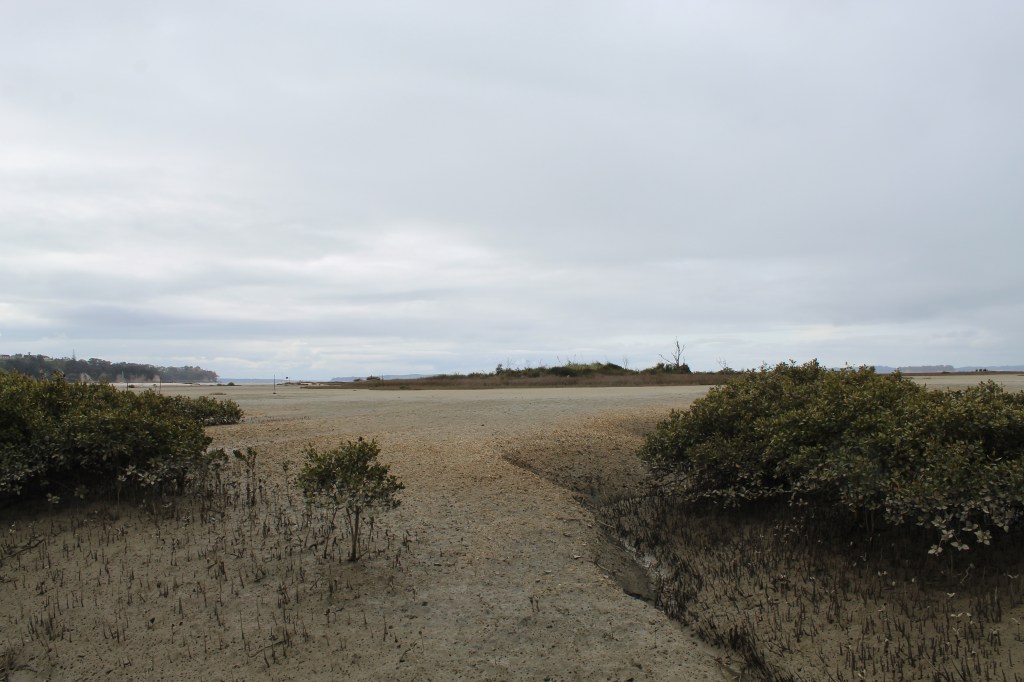
I found solace as I followed horseshoe imprints in the sand venturing out to the ocean. I couldn’t help but be inspired by this still landscape that at first glance seemed deserted. With further looking there was an abundance of life within the wetlands.
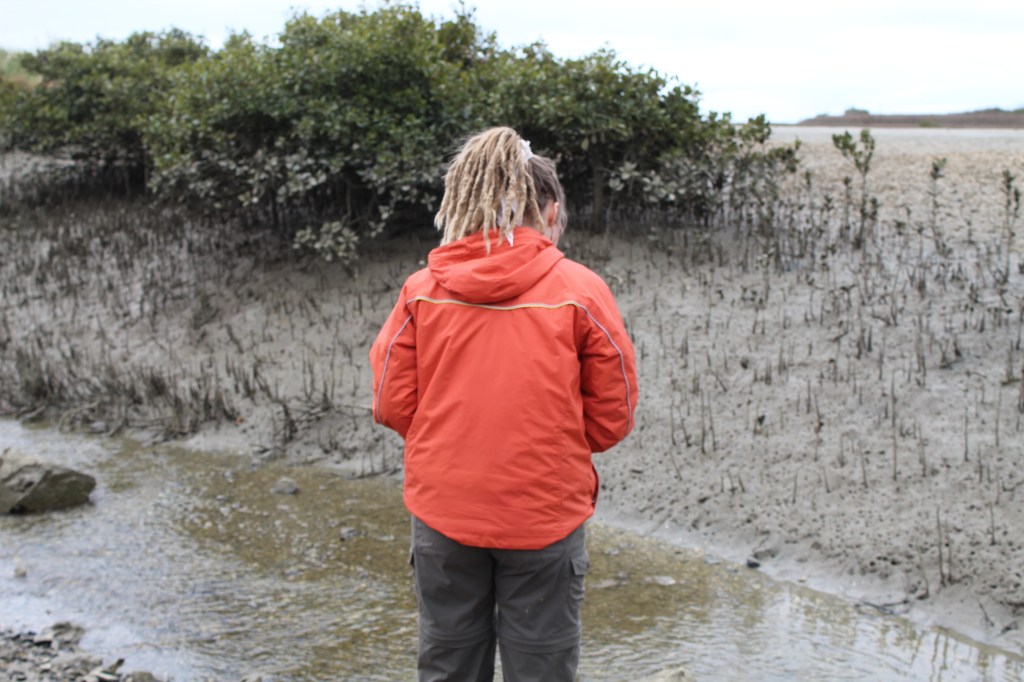
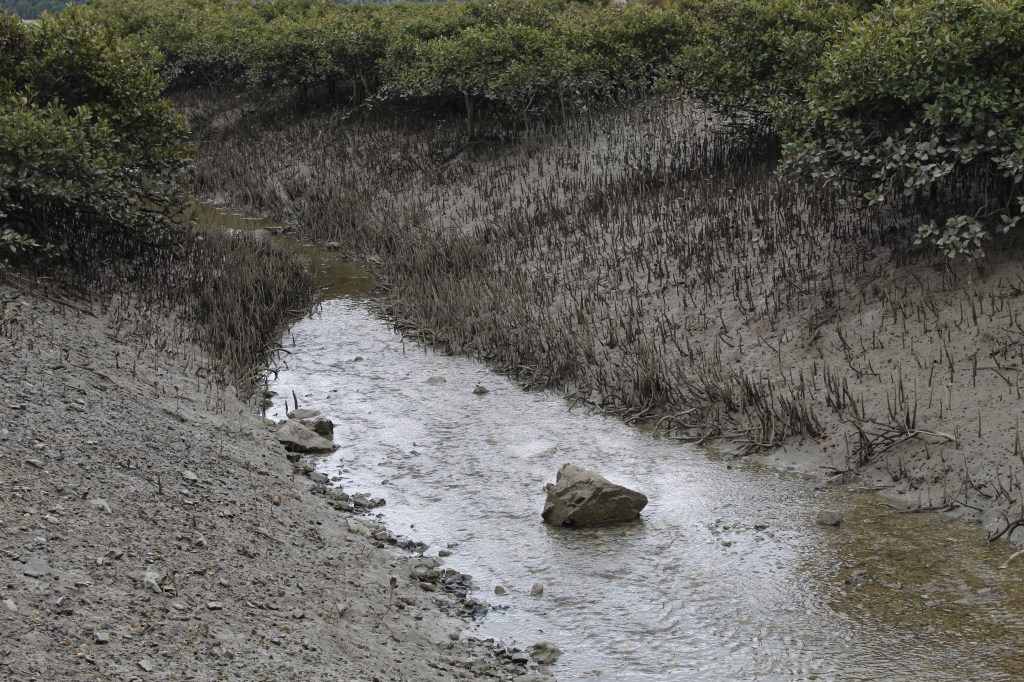
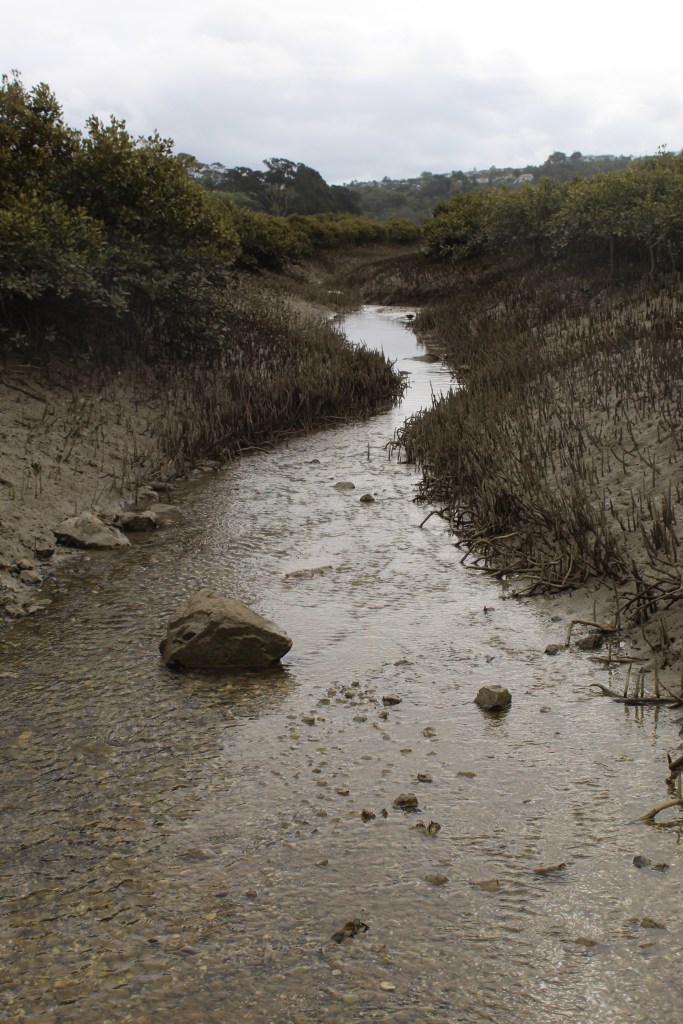
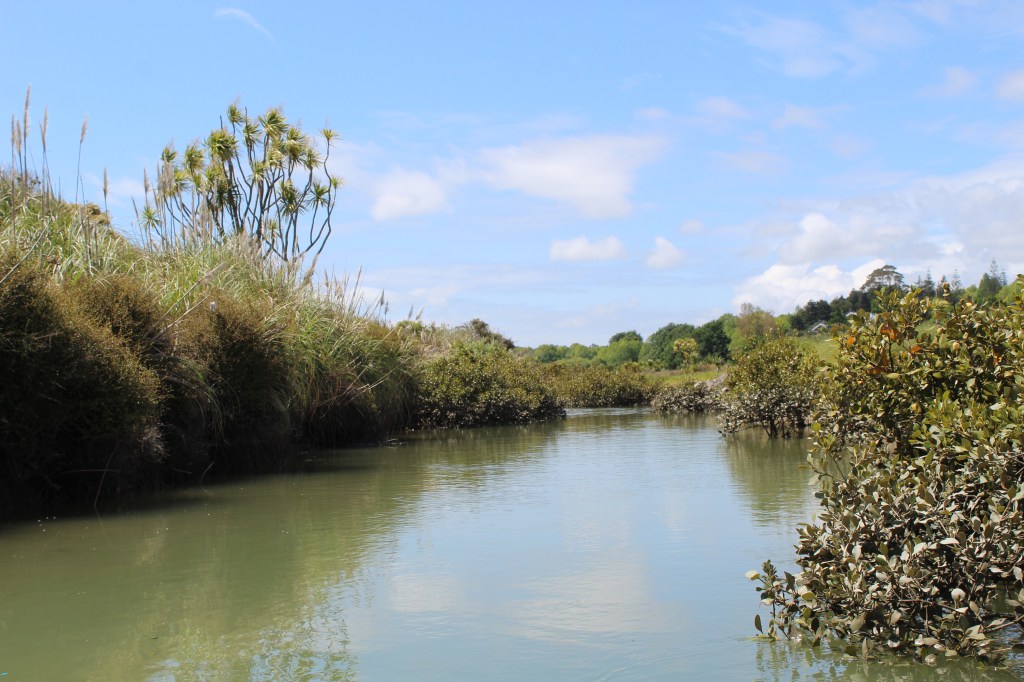
My intention when coming out the Whitford was about the water sound recordings, I knelt down to the stream running through the mangrove canal that this wetland was centred around. I could see the rippling water running down stream but I couldn’t hear any sound. This intrigued me. A mass of moving water but not one sound I could capture.
I choose to record the sound of the silent waters instead.
All you could hear was the wild wind rolling passed the mic and the distant bird calls. Walking lower in the canal I collected some mud which had crabs living all around. Coming home I had to sort through the mud to find any uinneeded crabs, taking them back to the beach.
This wetland landscape is not one of the large arching materials but of small inquiries, looking for materials to harvest or collect to shore the experience of the wetland.
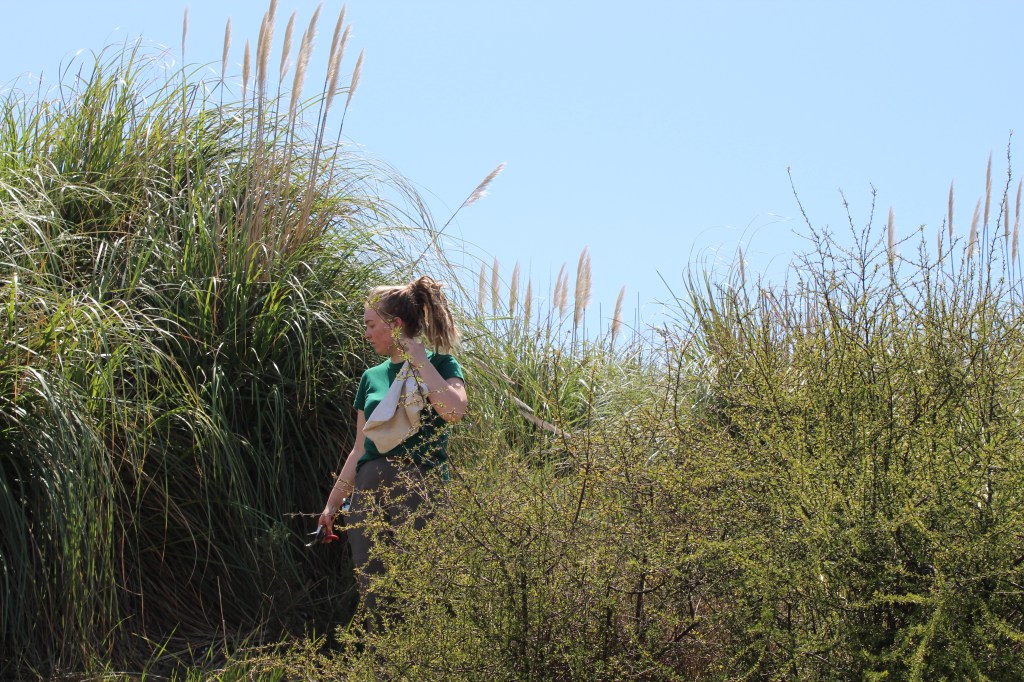
I found the main points of noticing were the mud and the crab holes that covered the surface, the reeds that indicated the active plain and the water.
Specifically, the water as it brought life to the mud and reeds along with the other areas of plant life and creatures.

‘THE WETLAND’ The essence of the wetlands is told in the name Wet-Land. The water is the essence or reason for the wetlands. Without water coming in and going from the mangroves /wetland – all life would be lost.
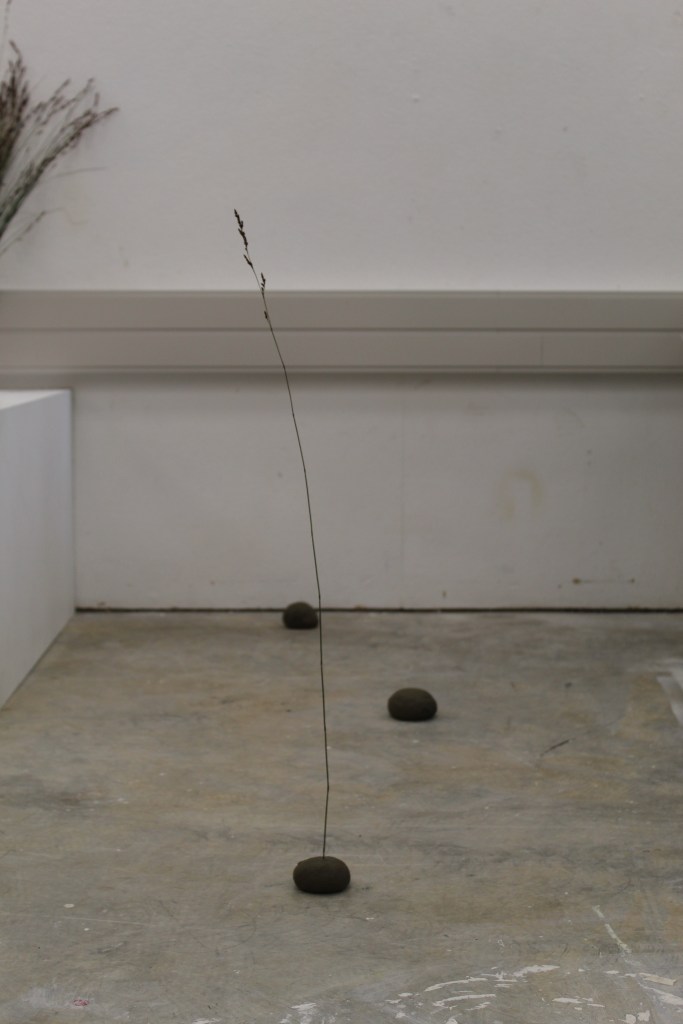

Open Studio – Early October:
Photos lost 😦


CONCEPTUAL TERRAIN
Water is a vital element to life on earth. My experience of water has been centred in beaches/bays, rivers, streams, in the bush, rain, and waterfalls. The mangroves have long been a place that I considered an ugly landscape, a swamp, the smell, the mud, and the thick pervasive nature of the mangrove plant taking over the once beautiful beaches. This recent discovery of the mangrove plant in a wetland context has altered my opinion of wetlands.
From my experience of the wetland, I was captivated by the sounds and lack of sound dancing around me. The water that settled in the wetlands is a part of the same water travel recordings. It is as though this body of water has experienced all arrays of situations and sands from ocean waves to waterfalls and the rapids in the rivers.
This body of water was given a moment to reside in the wetlands. The wetland is as much a silent oasis for me as is it for the bodies of water that ebb and flow. With each changing tide, the water comes and goes from this still sacred oasis of untouched plain and dancing sounds.
The parallel between the materially informed conceptual terrain and the application to an audience’s life is centred in the embodied knowledge of water that one may carry into my installation space.
This wetland-inspired install speaks to the lacking times of stillness in our busy lives. Even the waters need a place, a sanctuary to rest and embrace moments of stagnation. In our own lives, we mustn’t be in constant stagnation, but we also cannot function effectively from a constant bustling flowing pace. We all need silence in order for the other happening in our lives to be possible.
The accompanying sound recording “No Mans’s Land” references the stagnant and untouched land amid the many people who live and go about life without ever experiencing the wetlands that lie under many of our bridges and along walkways. The no-man’s land refers to the WW2 land that lay between the two opposing armies and the trenches.
The land was littered with silent soldiers who lay lifeless. The stillest and most restful place on the battlefield.
The irony here is that this silent land was held at the very centre of the field.
I named the recording this as it drew on concepts of suffering and loss that we often associate with silence such as the moment of silence we share on ANZAC Day for those who fought for us in the years gone by.
Perhaps silence is only reserved for the dead, but the desolate wetland would say otherwise. There is life beneath the surface in the small noticing. Silence is vital for life on earth.



 BRITNEY SAYWELL